tips
Should You Use a Car or Bike for Food and Parcel Delivery Jobs?
Considering delivery work in Singapore? Compare using a car or bike for food and parcel deliveries, including costs, comfort, capacity, weather protection and earning potential.
Car or Bike for Delivery Jobs: Which Should You Choose?
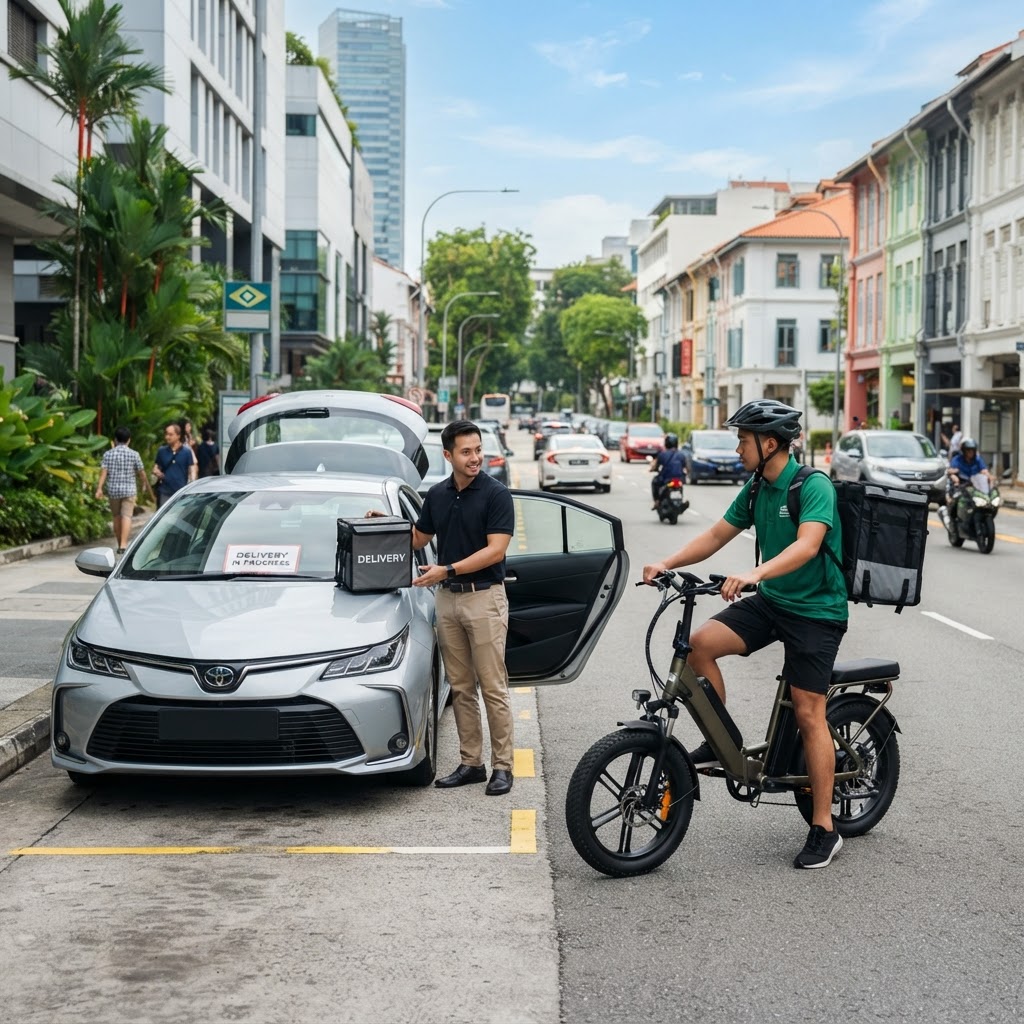
Food delivery and parcel delivery can offer flexibility, but your choice of vehicle affects your daily comfort, operating costs and the types of jobs you can accept. A bike may be convenient for short trips and congested areas, while a car offers better protection from Singapore’s weather, more storage and greater versatility.
Before deciding, consider your delivery area, working hours, load size, budget and how frequently you plan to work. The right option is not necessarily the vehicle with the lowest rental cost—it is the one that supports your work efficiently and safely.
Using a Bike for Delivery Work
A bike can be suitable for riders who mainly handle small food orders or lightweight parcels. It is generally easier to manoeuvre through busy roads and narrow estates, and parking may be more convenient in some locations.
Advantages of a bike
- Usually lower fuel and running costs
- Easier to navigate traffic and crowded neighbourhoods
- Convenient for short-distance food deliveries
- Lower space requirements when parking
- May be practical for part-time work close to home
Limitations to consider
- Limited capacity for multiple orders or larger parcels
- Less protection from rain, heat and poor weather
- Riding can be physically tiring over long hours
- Greater exposure to traffic and road conditions
- Less suitable for bulky items or scheduled multi-stop routes
If you mainly work during short peak periods and carry small orders, a bike may be sufficient. However, comfort and safety should remain priorities, particularly if you intend to ride regularly or for extended shifts.
Using a Car for Food or Parcel Delivery
A car is often a better fit for drivers covering wider areas, accepting larger orders or combining delivery work with other driving commitments. It provides a sheltered space for food and parcels, along with additional room for equipment and personal belongings.
Advantages of a car
- Protection from Singapore’s sun and rain
- More room for parcels, groceries and multiple food orders
- Greater comfort during long working hours
- Useful for longer-distance routes and multi-stop deliveries
- Suitable for drivers who need flexibility beyond delivery work
A car can also make it easier to keep deliveries organised. You can separate orders using storage boxes and reduce the need to carry items on your back. For parcel work, the additional boot space can be especially useful when handling different package sizes.
Potential drawbacks
Car use involves fuel, parking and maintenance considerations. Traffic congestion can also affect delivery times, while finding a convenient parking location may take planning. For this reason, drivers should assess their likely route patterns rather than assuming a car will always be more productive.
What About Renting a Car for Delivery Jobs?
If you do not own a suitable vehicle, car rental Singapore options may provide a flexible way to test delivery work before committing to ownership. A rental agreement can be useful for part-time drivers, new delivery workers or those who need a vehicle temporarily.
For regular work, consider a monthly car rental or long-term car rental arrangement, as these may be more suitable than repeatedly booking short rentals. If you plan to use the vehicle for private-hire or platform-based driving, review the requirements carefully and explore a suitable PHV rental option.
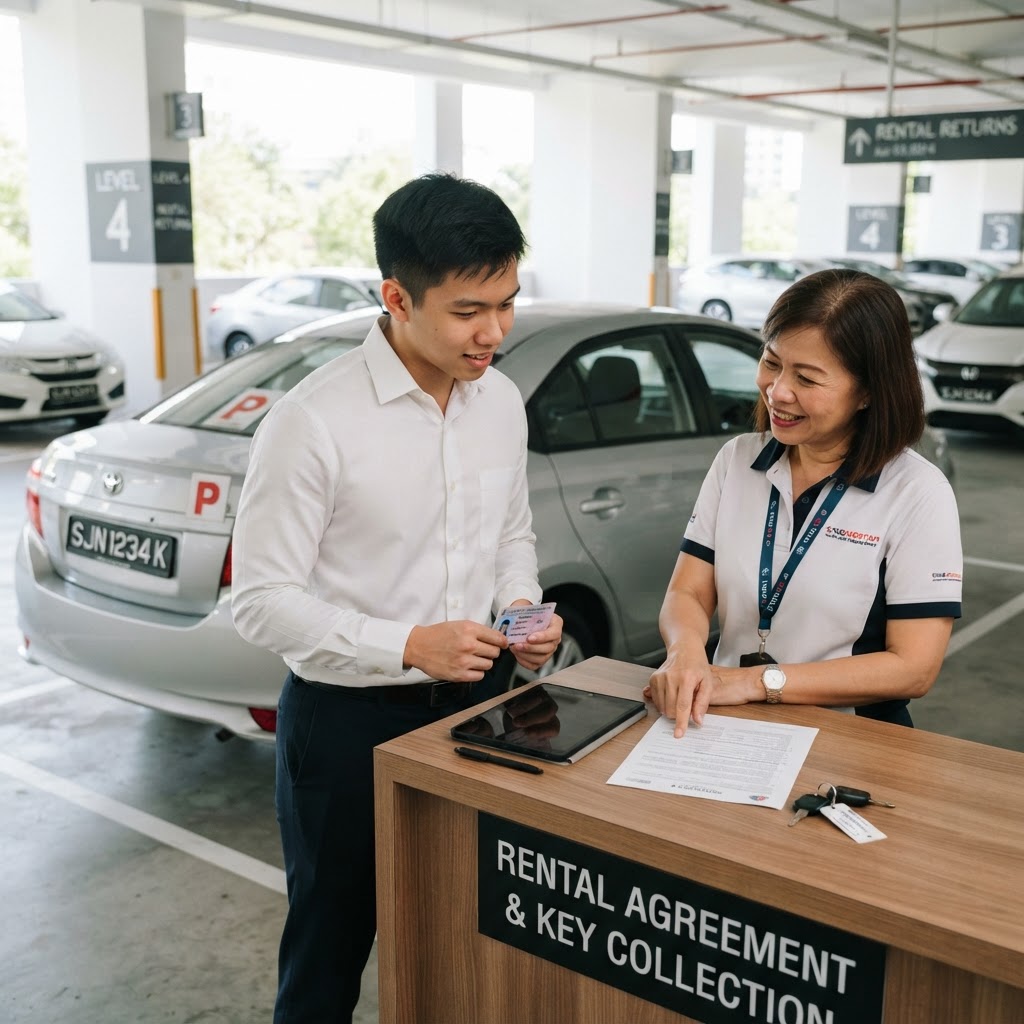
Drivers with a newer licence may also wish to compare P plate car rental choices. Before booking, confirm that the vehicle is appropriate for your intended delivery activities and check what is included in the rental arrangement.
How to Make the Right Decision
Ask yourself these questions:
- Are most deliveries short-distance or islandwide?
- Will you carry food only, or larger parcels and multiple orders?
- Can you work comfortably in hot or wet weather?
- How many hours per week will you be on the road?
- Have you included fuel, parking and rental costs in your budget?
- Would a hybrid model help reduce fuel consumption for your driving pattern?
You can explore suitable vehicle types through AKA Car Rental’s fleet, including practical cars for everyday delivery work. If you expect to travel across the border as part of other driving needs, note that JB car rental arrangements may have separate conditions and should be checked in advance.
Conclusion
A bike may suit short-distance food deliveries with light loads and a tight budget. A car is usually more practical for longer shifts, larger parcels, rainy weather and drivers who want greater flexibility. Compare your delivery routes, expected workload and total operating costs before making a decision.
If you are unsure, renting a well-maintained vehicle for a trial period can help you understand your actual fuel use, parking needs and daily comfort. The best choice is the one that allows you to complete deliveries safely, reliably and sustainably.